


+971 4 3271414
Related Services
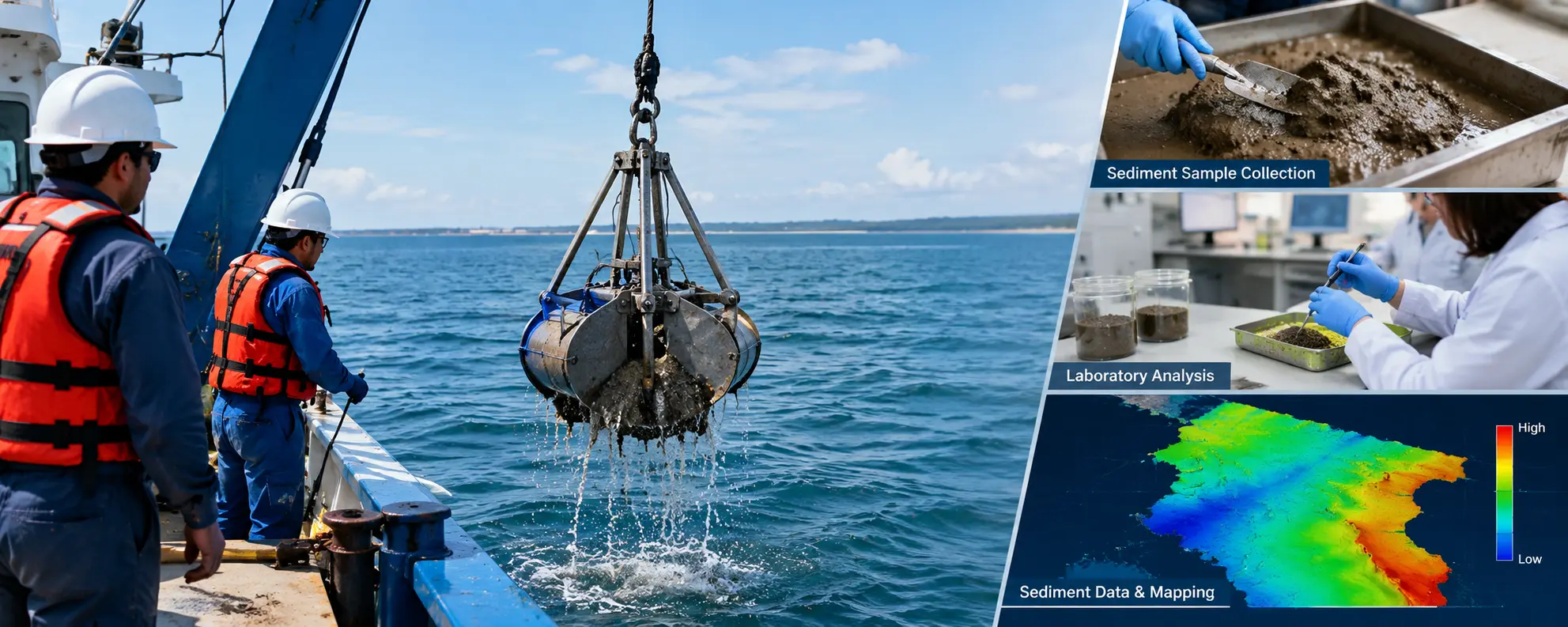
Falcon have in house laboratory which offers analysis of sediment samples to confirm or rule-out contamination. It involves seabed parameter testing for different uses with the collections of the seabed samples/beach samples.
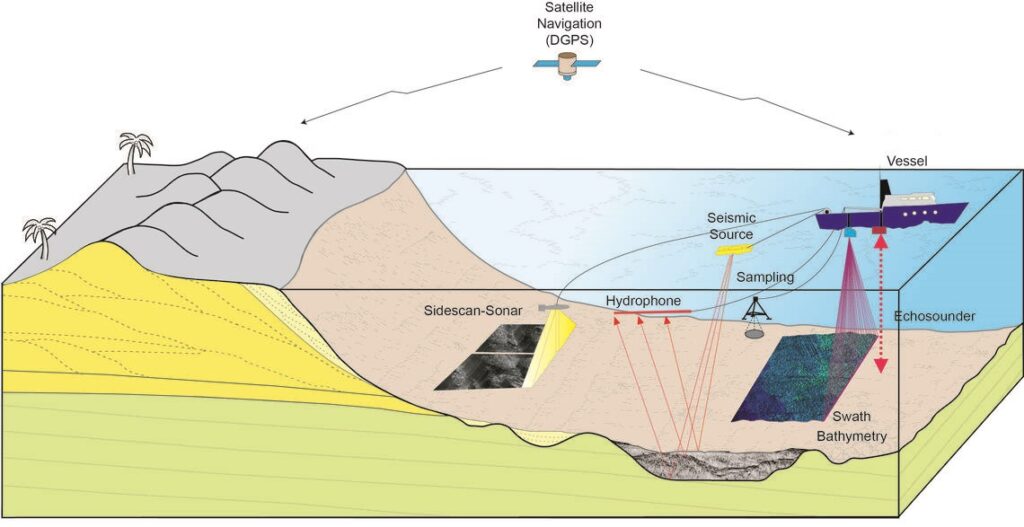
Sediment conditions provide valuable information about the physical and chemical characteristics of the seabed and other aquatic environments. Examining these materials helps project teams understand the composition of underwater deposits and assess their suitability for different marine and coastal activities. Falcon Survey offers sediment sampling and analysis solutions to support investigations associated with marine infrastructure, dredging, coastal development, and environmental assessment.
Collecting representative sediment samples is an important step in understanding the materials present at a survey location. Sampling requirements vary according to water depth, seabed characteristics, project objectives, and the type of investigation being conducted.
The sampling approach is selected to obtain material suitable for the intended examination while maintaining appropriate records of the collection location and sampling conditions. These records help relate the collected samples to the wider survey area and support the interpretation of subsequent findings.
Sediment analysis can provide information about the properties of collected material. The specific tests depend on the investigation objectives, sample type, and applicable technical requirements.
Physical examination may include particle-size distribution, grain composition, and other relevant characteristics that help describe the nature of the sediment. Where required, suitable chemical analyses may be undertaken to investigate selected constituents in the material.
The resulting information can help project teams understand variations in sediment properties across different sampling locations. The scope of testing should be established before sample collection to ensure that the selected methods address the project’s requirements.
Sediment investigations can help characterize material within proposed dredging areas. Depending on the project requirements, the results may contribute to evaluating sediment composition and determining whether additional testing is necessary before decisions are made about material handling or disposal.
Sediment investigations help identify the types of materials present along harbour beds and navigation channels. When evaluating dredging needs, examining seabed conditions, and organizing changes to marine infrastructure, project teams might benefit from knowing the makeup of these deposits.
For projects involving harbour development, channel maintenance, or dredging operations, explore Falcon Survey’s Port, Harbour and Navigation Survey Services to learn more about underwater surveying and depth measurement.
Coastal development projects may require information about seabed materials to complement other site investigation data. Sediment characteristics can help engineers develop a more complete understanding of local marine conditions when considered alongside bathymetric survey, geotechnical, and environmental information.
Sediment samples can be examined to investigate selected environmental characteristics of the seabed. Where the project requires contaminant assessment or other specialised testing, the analytical programme should be designed around the relevant environmental objectives and applicable requirements.
Reliable interpretation begins with appropriate sample identification, handling, and documentation. Samples should be collected, labelled, preserved, transported, and stored according to the requirements of the intended analyses.
Maintaining traceable records helps connect laboratory findings with their original sampling locations. Appropriate analytical methods and quality-control procedures are also important for evaluating the reliability and suitability of the results.
Sediment investigation results can help consultants, engineers, contractors, and environmental specialists evaluate site conditions and identify areas requiring further examination. Depending on the agreed scope, reporting may include sample identification, analytical results, test methods, and relevant observations.
Falcon Survey can define the appropriate sampling and analysis scope according to the project’s objectives, site conditions, and technical specifications. The required tests and deliverables should be confirmed before the investigation begins.
Planning a marine construction, dredging, port development, or environmental investigation project? Contact Falcon Survey to discuss your sediment sampling requirements and identify an appropriate investigation scope for your site.